Healing and Learning in Community

Many clients talk about social anxiety in therapy. We spend time unpacking fears of judgment, rejection, and not knowing what to say. The work was thoughtful and meaningful—and yet, I began to sense that something is missing.
It has become clear that many clients’ social life, like that of many young people today, happens online. Texting, group chats, social media, and dating apps have become the primary places for connection. In-person interactions are fewer, and when they do happen, they often feel high-stakes and unfamiliar. Without much practice, it’s easy for the nervous system to go into overdrive.
Am I awkward? Did I say the wrong thing? Do they like me?
I found myself wondering:
how do we learn to connect and build trust in person, when two nervous systems are present and responding to each other in real time, if we don’t actually have enough lived experience of it?
As a therapist, I deeply value individual therapy. It is powerful. It’s safe. It’s very focused. It helps people understand their patterns, make sense of their reactions, and develop compassion for themselves. But insight alone doesn’t always translate into embodied confidence. Processing social experiences without having enough of them can start to feel like rehearsing for a performance that never quite happens.
This is where I see community healing and learning playing an increasingly important role in my work.
Community-based spaces—such as reflection groups, skill-building workshops, or facilitated conversations—offer opportunities to practice being with others in a low-pressure, intentional way. These spaces are often less formal than therapy, but deeply relational. People get to notice their anxiety arise, feel the impact of being seen, misunderstand, repair, and try again—all while being supported rather than evaluated.
What feels especially healing about community is that it normalizes struggle. When people hear others voice similar doubts and fears, shame softens. Learning becomes collective rather than solitary. Connection stops being something to “get right” and starts being something to grow into.
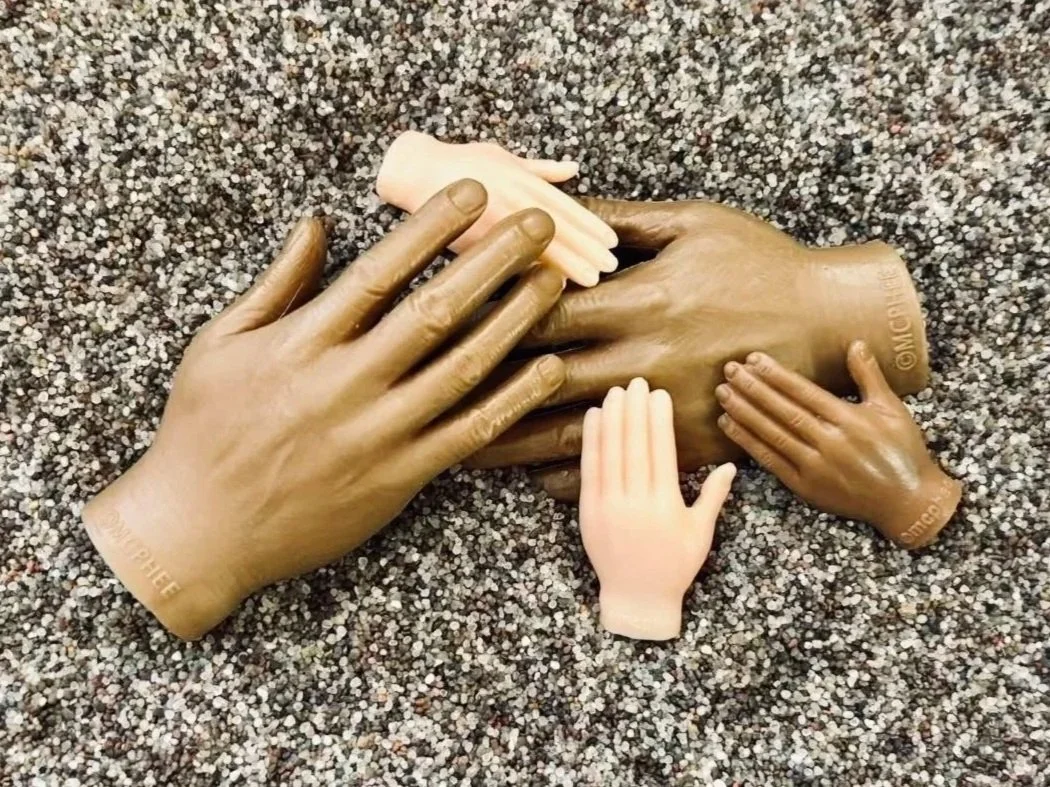
Community healing is not a replacement for individual therapy, but as a necessary complement—especially in a time when many of us are hungry for real connection yet unsure how to navigate it. Healing doesn’t only happen through talking about relationships. It also happens through being in them, moment by moment, with enough safety to learn.
In today’s world, more people are recognizing how deeply nurturing relationships shape our well-being—while also realizing that many of us never witnessed healthy communication growing up. We are asked to connect without having been shown how, and to feel confident without enough chances to practice.
This is the spirit behind the support group I facilitate, and why I continue to feel drawn to this work. It is an invitation to build a thoughtful, intentional community for people who are curious about improving their relationships—not by perfecting themselves, but by learning together. My hope is to bridge the gap between traditional therapy and everyday life, offering a space that is reflective, grounded, and human.
I believe that learning, reflecting, and growing together in community can be both meaningful and healing. In a world that increasingly pulls us into our own bubbles, choosing to practice connection—imperfectly, gently, and together—may be one of the most powerful forms of healing we have.
If this resonates, you’re welcome to learn more about the support group or reach out to see whether it might be a good fit for you.